


rectifier wires tore off


Thread Starter
|
Junior Member
Joined: Apr 2006
Posts: 11
Likes: 0
 rectifier wires tore off
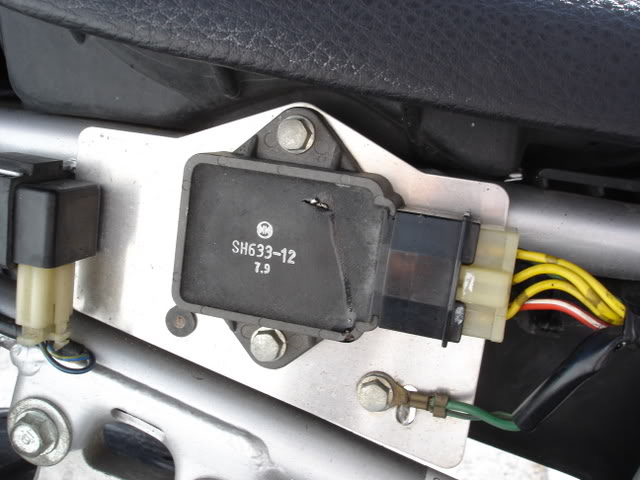
So my rectifier went out I got a nother one but when I went to change it the plug was melted to the rectifier. So I guess I hooked it up wrong. It keeps blowing the main fuse now. Im looking for a pic of where the wires or some one who can help me out and tell me how it hooks up. Thanks 4 the help

Senior Member
Joined: Jul 2006
Posts: 360
Likes: 0
From:
Last time I will say this
I promise!
You guys have to start cleaning and lubing this connection!!!
It dries out gets oxidized, corrodes and gets hot and then melts leaving the bike dead.
Die-electric grease is your best friend.
SIRR1
You guys have to start cleaning and lubing this connection!!!
It dries out gets oxidized, corrodes and gets hot and then melts leaving the bike dead.
Die-electric grease is your best friend.
SIRR1

Super Moderator
Joined: Aug 2006
Posts: 5,304
Likes: 512
From: South Florida, USA
+1
Yes, a dielectric grease can help to keep moisture out and the connection clean. These types of connectors are hard to clean because of them being internal. Using a screw driver to "pry" the connections closed so they provide a tighter connection will help. The less resistance through this connection the better. I'd recommend checking this connection on an annual basis. Most of the heat generated in this area is the device itself, hence the large metal plate that it's attached to. Unfortunately, it's not that effective at cooling, and the unit ultimately fails. On the connector above, there was no corrosion or discoloring of the connector from heat. However, you can see it was hot enough to melt the black insulating goo that they cover the electrical components with. Suzuki's voltage regulator/rectifiers have much better heat sinks on them, but that's another thread.
Yes, a dielectric grease can help to keep moisture out and the connection clean. These types of connectors are hard to clean because of them being internal. Using a screw driver to "pry" the connections closed so they provide a tighter connection will help. The less resistance through this connection the better. I'd recommend checking this connection on an annual basis. Most of the heat generated in this area is the device itself, hence the large metal plate that it's attached to. Unfortunately, it's not that effective at cooling, and the unit ultimately fails. On the connector above, there was no corrosion or discoloring of the connector from heat. However, you can see it was hot enough to melt the black insulating goo that they cover the electrical components with. Suzuki's voltage regulator/rectifiers have much better heat sinks on them, but that's another thread.

Thread
Thread Starter
Forum
Replies
Last Post


